The Paradigm Shift from Metals to High-Performance Polymers
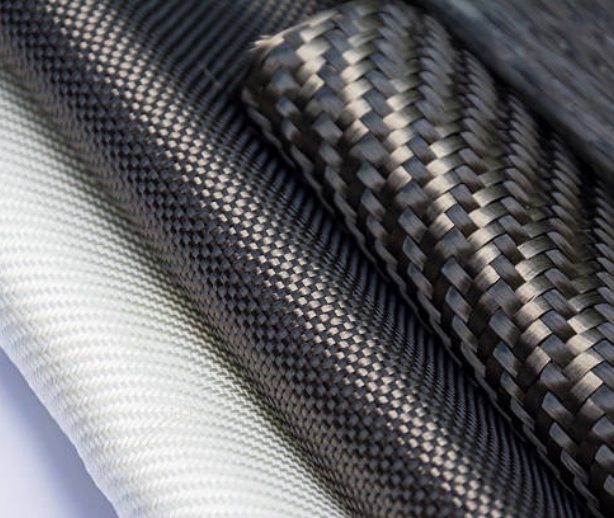
In high-stress aerospace, defense mobility, and performance automotive sectors, traditional aluminum and titanium structures are reaching their optimization limits. High-performance thermoplastic polymers—primarily polyetheretherketone (PEEK), polyetherketoneketone (PEKK), and polyphenylene sulfide (PPS)—reinforced with continuous aerospace-grade carbon fiber provide specific strength and stiffness ratios that outclass metallic alloys while shedding up to 40% of structural component weight.
Polymer Matrix Rheology and Molecular Architecture
Unlike standard epoxy thermoset resins that form irreversible chemical crosslinks during curing, high-performance thermoplastics feature semi-crystalline linear aromatic polymer backbones. PEEK and PEKK offer glass transition temperatures (Tg) of 143°C to 165°C and continuous operating temperatures above 240°C. Their high molecular weight provides exceptional damage tolerance, resistance to aviation fuels, hydraulic fluids, and aggressive acids, as well as superior flame, smoke, and toxicity (FST) ratings required for passenger aircraft cabins.
In-Situ Automated Fiber Placement (AFP) & Consolidation
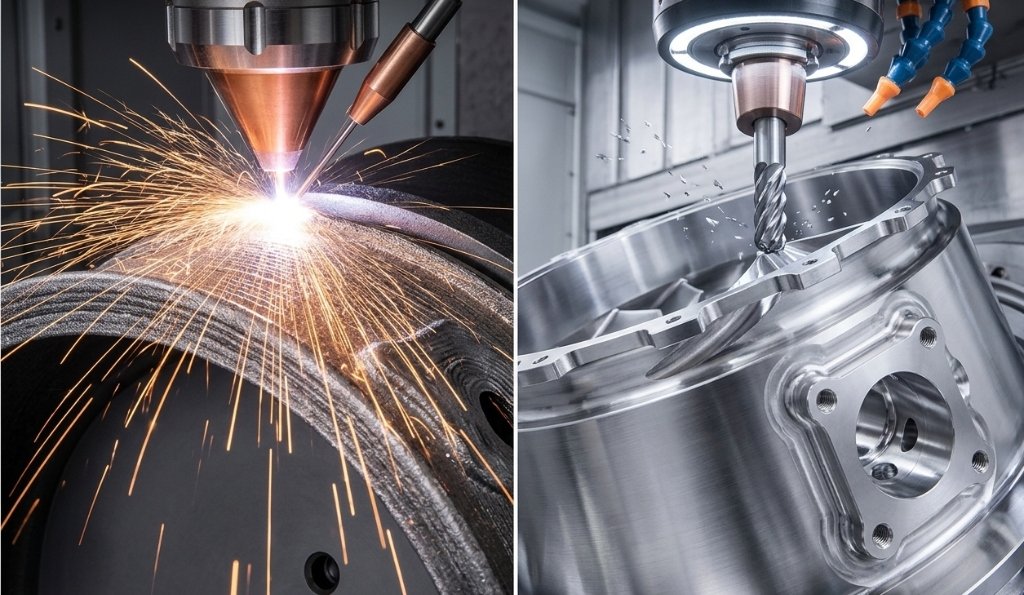
A major economic bottleneck of traditional composite manufacturing has been long, capital-intensive autoclave curing cycles and refrigerated shelf lives of thermoset prepregs. Mechfort utilizes advanced Automated Fiber Placement (AFP) with high-power diode laser heating. As continuous unidirectional PEEK/carbon fiber tape is placed, the laser instantaneously melts the polymer at 380°C–400°C while a compliant compaction roller consolidates the ply, achieving full in-situ consolidation with void fractions under 1% without requiring an autoclave.
Industrial Applications in Aerospace & Dynamic Mobility
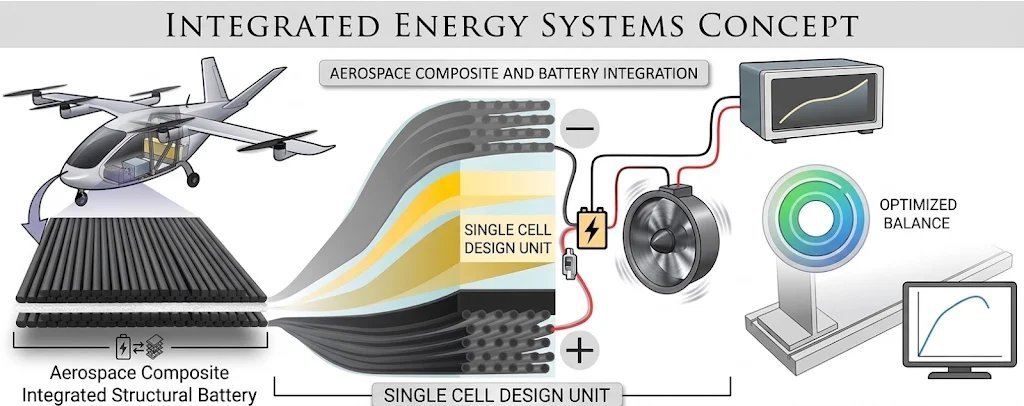
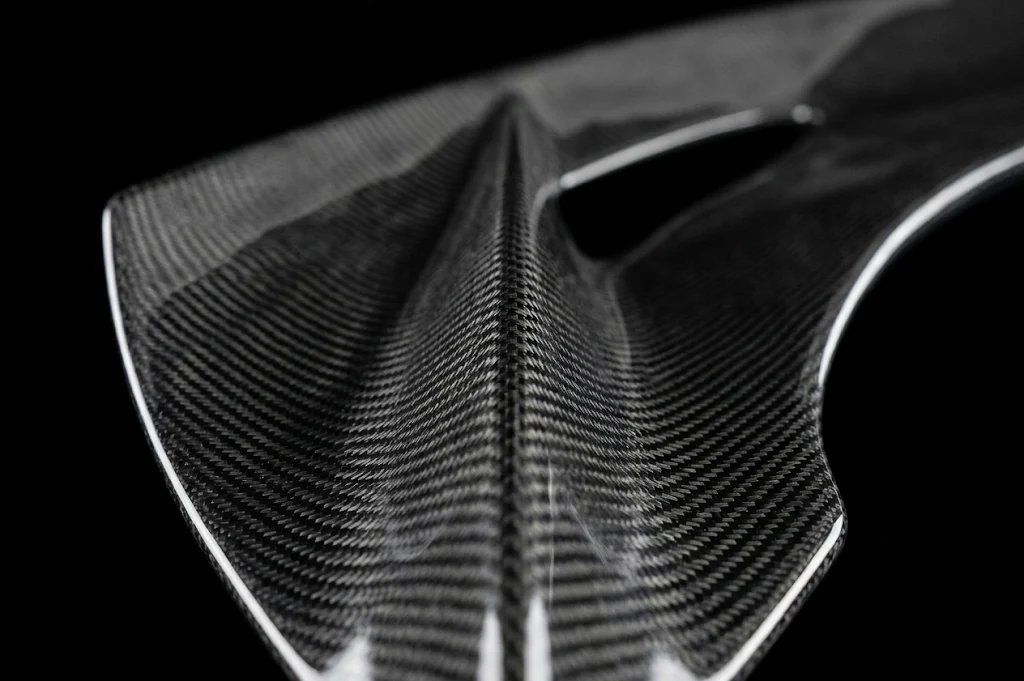
Components manufactured with Mechfort’s high-performance polymer composites—ranging from aerodynamic wing control surfaces, nacelles, and brackets to high-speed transmission gearboxes—demonstrate extraordinary vibrational damping and resistance to microcracking under repetitive fatigue cycles. In automotive and drone propulsion systems, these composite structures withstand high thermal cycling and aggressive road salt corrosion, delivering long-term structural integrity.
Interested in Composites & Material Innovation?
Mechfort delivers turnkey industrial engineering, custom laboratory pilot plants, and scalable contract manufacturing across these applications.